How to Negotiate with Indian Wedding Vendors: 15 Scripts That Actually Save Money (2026 Guide)

Why Indian Wedding Vendors Expect You to Negotiate
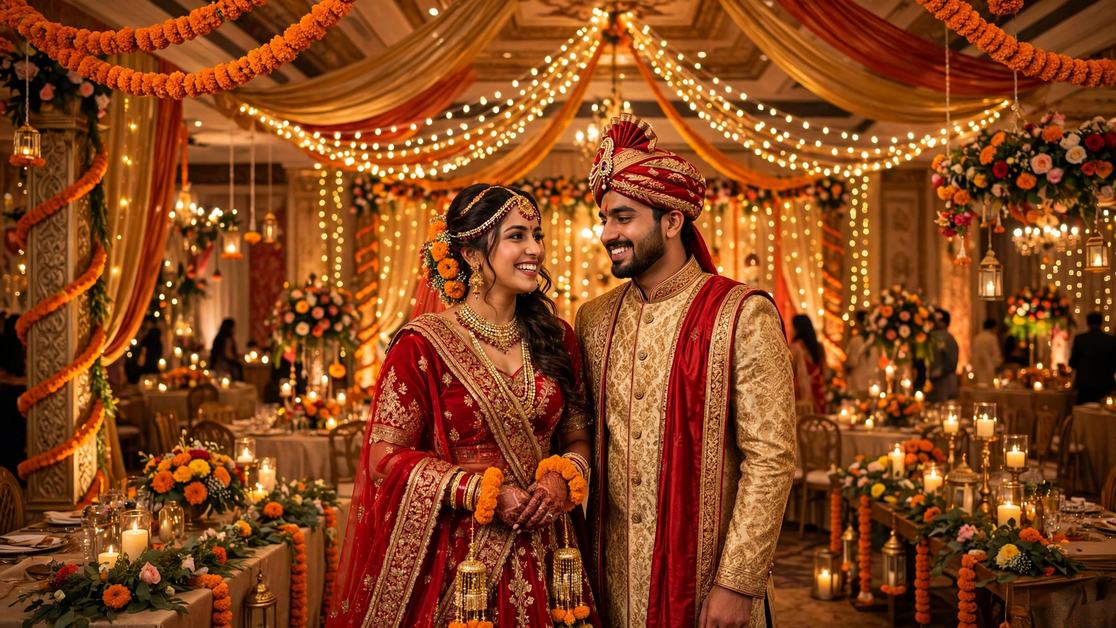
If you are planning a wedding in India, here is the first truth nobody tells you at the first venue visit: the first quote is almost never the final price. Whether you are booking a venue in Pune, a photographer in Jaipur, a decorator in Delhi, or a caterer in Hyderabad, the vendor's opening number usually has room built into it — room for the season, room for the competition down the road, and room for the polite haggling they fully expect from an Indian family. Learning how to negotiate with Indian wedding vendors is not about being rude, stingy, or disrespectful to someone's craft. It is about paying a fair price for exactly what you need, and nothing you do not.
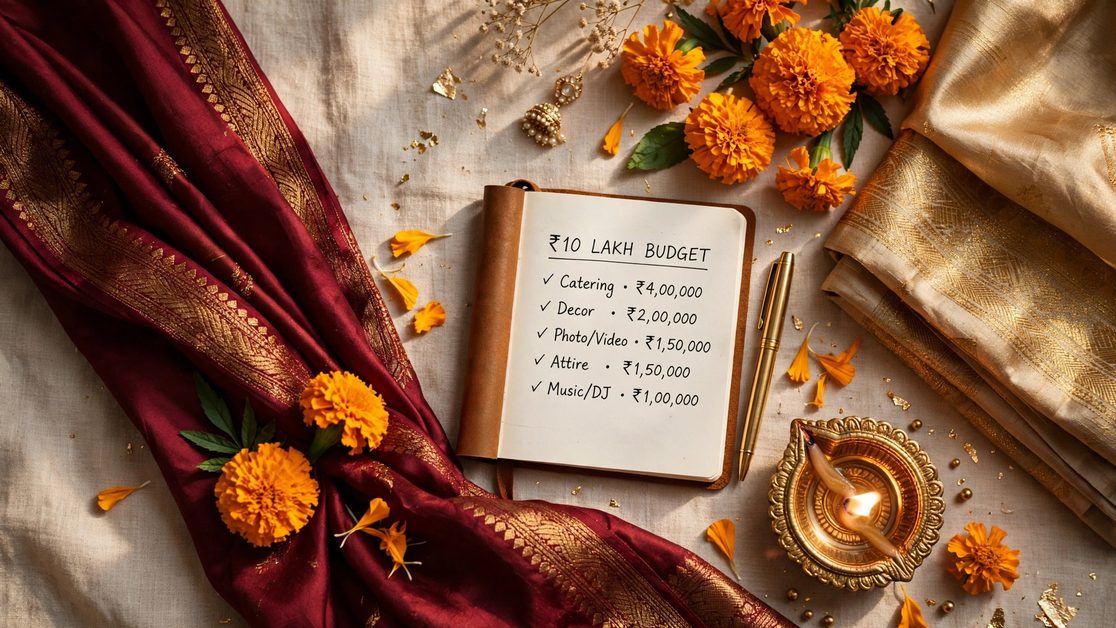
Most couples overspend not on one big splurge but on dozens of small yeses: the extra lighting package, the premium crockery upgrade, the second photographer nobody asked for. Each one feels small in the moment. Together, they can add ₹1–2 lakh to a mid-size wedding without improving a single guest's experience. This guide gives you 15 copy-paste-ready negotiation scripts that actually save money — the exact lines to use with venues, photographers, caterers, decorators, makeup artists, and DJs — plus the ground rules that keep the negotiation friendly and the quality intact.
The Ground Rules Before You Say a Single Number
Before you open your mouth about price, get these five things right. They matter more than any clever line.
1. Never negotiate with only one vendor in hand
Your leverage is a genuine alternative. Get at least two comparable quotes for every major booking — venue, catering, photography, decor — before you negotiate with any of them. You do not need to lie about the other quote. Simply being able to say "we are deciding between two options this week" changes the conversation completely.
2. Negotiate the package, not just the price
A vendor who cannot drop their price by ₹20,000 may happily add a pre-wedding shoot, an extra hour of coverage, or a dessert counter worth the same amount. Free add-ons are often easier for a vendor to give than a discount, because they cost the vendor less than their retail value. Always ask, "If the price is fixed, what can you add?"
3. Put everything in writing before you pay an advance
Every discount, freebie, and extra hour must appear in the written quotation or contract before you hand over the booking amount. A verbal promise made in a showroom has a habit of vanishing by the wedding week. If the vendor hesitates to write it down, that is your signal to pause.
4. Negotiate early, and negotiate once
The best time to negotiate is before you book, not after you have paid 50% and fallen in love with the venue. Vendors respect a firm, polite, one-round negotiation far more than five rounds of chipping away. Make your best case, listen, and close — or walk away gracefully.
5. Respect the craft, and say so
The line that opens the most doors is honesty: "We love your work, and we want to book you — we just need to make the numbers work for our budget." Vendors deal with bargain hunters every day. Couples who show genuine appreciation and a real budget get the best deals, because vendors want to work with people who value them.
15 Negotiation Scripts That Actually Save Money
Copy these, adapt the numbers to your city and budget, and use them over WhatsApp, phone, or in person. Each script is written to be polite, specific, and hard to brush off.
Script 1: The Venue — "Can we match the weekday rate?"
"We love this venue and it is our first choice. Our date is flexible by a week on either side — is there a weekday or off-season rate you can offer us? If we move to a Thursday or a Sunday afternoon, what would the package come to?"
Why it works: venues sit empty on weekdays, and a filled weekday is worth more to them than an empty Saturday. Moving even one day can save 15–30% on the venue rental, and the venue manager would much rather discount than lose the booking entirely.
Script 2: The Venue — "Remove what we don't need"
"Your package includes the premium lighting, valet, and in-house DJ. We already have our own DJ and we don't need valet for 150 guests. Can you re-quote the package without those three items?"
Why it works: bundled packages hide margins in items you never asked for. Unbundling forces the vendor to price only what you will actually use — and the savings are usually bigger than any percentage discount they would have offered.
Script 3: The Caterer — "Show me the per-plate math"
"Your quote is ₹1,100 per plate for 300 guests. Can you break that down — food cost, service, rentals, and taxes — and tell me what the per-plate rate becomes if we confirm 350 guests instead? We would also like to know the cost of a simpler menu for the sangeet night."
Why it works: per-plate pricing is where caterers have the most flexibility, especially on guaranteed headcount. A higher confirmed count lowers their per-unit cost, and they can pass part of that back to you. Asking for the breakdown also quietly signals that you are comparing quotes seriously.
Script 4: The Caterer — "Swap, don't just cut"
"Instead of removing the live chaat counter, could we swap the imported dessert section for a popular local dessert counter at a lower cost? Our guests will enjoy it just as much, and it brings the total down."
Why it works: caterers resist cuts because they shrink the order, but swaps keep the order size intact while lowering the cost. You keep the experience rich; they keep the revenue. Everybody wins.
Script 5: The Photographer — "What does the next package down include?"
"We love your candid style, but the premium package is above our budget. If we take the standard package and add just the wedding-day coverage and one album, what would that total be? We don't need the pre-wedding shoot in the package."
Why it works: photography packages are built to upsell. Building your own package from a lower tier — adding only the deliverables you truly want — routinely saves ₹15,000–₹40,000 against the headline package, with zero loss in the quality of the actual wedding-day photos.
Script 6: The Photographer — "Pay for deliverables, not hours"
"Instead of a 12-hour package, can we book you for the key events — baraat, ceremony, and couple portraits — at a fixed deliverables price? We will share a shot list in advance so nothing important is missed."
Why it works: photographers charge for idle hours between events. A deliverables-based deal, built around a shared shot list, cuts dead time from the bill and gives the photographer a clearer, easier day.
Script 7: The Decorator — "Reuse across functions"
"Our haldi is in the morning and the sangeet is the same evening at the same venue. Can you design one base setup that we refresh with different flowers and drapes between functions, instead of two full setups? What would that save us?"
Why it works: decor is the most reusable spend in a wedding, and decorators know it. A shared stage, reused draping, and swapped floral accents can cut decor costs by 25–40% across a multi-day wedding, and the venue still looks different in every photo.
Script 8: The Decorator — "Show me the same look at two budgets"
"We love this reference photo. Can you show us what it looks like at our budget — say, with seasonal flowers instead of imported ones, and fabric draping instead of the full floral ceiling? We want your design, just at a realistic price."
Why it works: this script respects the decorator's creativity while forcing a real conversation about materials. Seasonal flowers, local blooms, and fabric effects deliver 90% of the look at a fraction of the cost of imported orchids and roses.
Script 9: The Makeup Artist — "Book the whole party together"
"There are five of us — the bride, two sisters, and our mothers. If we book all five makeups and hairstyling with you for both the wedding and the reception, can you offer a group rate?"
Why it works: a makeup artist's best day is a full diary with one location and one family. Group bookings save them travel, setup, and marketing time — savings they can pass on, often 10–20% off the individual rates.
Script 10: The Makeup Artist — "Trial fee adjusted against the booking"
"We would like to book a trial. If we confirm the wedding booking after the trial, can the trial fee be adjusted against the final package?"
Why it works: trials are a genuine cost for the artist, so few will waive them outright. But most will happily adjust the trial fee against a confirmed booking — because it converts a maybe into a yes, and that is worth far more to them than the trial fee.
Script 11: The DJ — "Off-peak hours, full energy"
"Our sangeet runs 7–11 pm, not till midnight. Can you offer a four-hour package instead of the full-night rate? We want the same setup and the same energy — just fewer hours."
Why it works: DJs price by the night, but their real cost is setup and travel. A shorter set at a firm end time is an easy discount for them and a real saving for you — especially when the venue has a sound curfew anyway.
Script 12: The Multi-Vendor Bundle — "Who do you recommend?"
"We are booking our venue, catering, and decor together. Do you have partner vendors you work with regularly — and is there a combined rate if we book through your network?"
Why it works: vendors refer each other constantly, and a referred booking costs them nothing in marketing. Some venues and planners pass a genuine referral discount back to you; even when they do not, a recommended team that has worked together before runs far more smoothly on the day.
Script 13: The Payment Terms — "Can we split the advance?"
"We are happy to confirm today, but a 50% advance is difficult for us right now. Can we do 25% to confirm, 25% a month before the wedding, and the balance a week before? That would let us book you today instead of waiting."
Why it works: cash flow matters as much as price. Vendors would rather lock in a confirmed booking with staged payments than lose you to a competitor — and staged payments protect you too, since you never pay the full amount before the work is done.
Script 14: The Honest Budget — "Here is our number, what can you do?"
"Our total budget for photography is ₹60,000, firm. We love your work and you are our first choice. What is the best package you can build for us at that number?"
Why it works: naming a real, firm budget is the single most powerful negotiation move, because it turns haggling into problem-solving. The vendor stops defending their price list and starts designing around your number. Only use a number you genuinely will not exceed — bluffing here destroys trust fast.
Script 15: The Walk-Away — "Thank you, we need to think"
"Thank you for your time and for showing us everything. We need to discuss it as a family and compare one other option. We will confirm by Friday — is the quote valid till then?"
Why it works: this is the most underrated script of all. A polite pause, with a real deadline, is what triggers a vendor's best offer — often by WhatsApp the next day. Never use it as a bluff if you have already decided; use it when you genuinely need the time, and let the deadline do the work.
What NOT to Say When Negotiating
A few lines feel clever but backfire almost every time. Avoid these:
- "My cousin got this for half the price." Vendors hear this daily, and they know the cousin's package was never identical. It reads as a bluff and shuts down goodwill.
- "It's just one day's work." A wedding vendor's price covers years of skill, equipment, team, and preparation — not just the hours you see them. Insulting the craft is the fastest way to lose flexibility.
- "We will give you great exposure." Unless you genuinely have a large, relevant audience, this is an empty offer. Pay fairly, and recommend them afterwards — that is worth more than exposure ever was.
- Negotiating after the advance is paid. Once money has changed hands, your leverage is gone and the relationship is strained. Do all price talk before booking, not after.
- Pitting vendors against each other by name. "X quoted ₹20,000 less, beat it or we leave" turns a negotiation into an ultimatum. Share that you have alternatives, but keep names and exact quotes out of it.
Your Pre-Negotiation Checklist
Run through this list before every vendor meeting, and you will walk in prepared instead of hopeful:
- Get two comparable quotes for every major vendor before negotiating with either.
- Fix your firm budget per category in writing — venue, catering, photography, decor, makeup, music — before you visit anyone.
- List the must-haves and the nice-to-haves for each vendor, so you know what you can trade away.
- Ask for the full written quote with taxes, service charges, and overtime rates spelled out — surprises hide in the fine print.
- Decide your walk-away price in advance, and be genuinely willing to walk away if it is crossed.
- Confirm payment stages in writing: advance, mid-payment, and final balance — never 100% upfront.
- Check cancellation and date-change terms before signing, not after.
- Keep every revised quote, WhatsApp confirmation, and contract in one folder — digital or physical — so nothing is lost by wedding week.
Where Smart Couples Save Without Negotiating at All
Not every saving needs a haggle. Some of the biggest wedding savings come from choosing differently in the first place. Digital wedding invitations are the classic example: a printed invitation suite for 300 guests — design, printing, envelopes, and courier — can easily cost ₹30,000–₹60,000, while a beautiful digital invitation with RSVP, venue maps, event schedule, and photo gallery costs a fraction of that and reaches every guest on WhatsApp in seconds. Couples who switch to digital invitations typically save enough to cover an entire vendor category — and guests actually prefer a link they cannot lose over a card that sits in a drawer. If you are comparing options, look at Jobitra's wedding invitation templates to see what a modern digital invitation includes, check the pricing page for current plans, and try the app to build your own invitation before you commit to print.
The same logic applies to guest communication. A digital invitation with built-in RSVP means you stop chasing replies on phone calls, and you get a real headcount for the caterer weeks in advance — which, as Script 3 shows, is itself a negotiating tool. Savings compound when the pieces fit together.
Frequently Asked Questions
Is it rude to negotiate with wedding vendors in India?
No — it is expected. Most Indian wedding vendors build negotiation room into their first quote, especially for venues, catering, and decor. What matters is how you negotiate: be polite, be specific, respect the vendor's work, and negotiate before booking, not after. A respectful negotiation usually improves the relationship, because the vendor knows you are serious about booking them.
How much can I realistically save by negotiating?
It depends on the category and the season, but couples commonly save 10–25% on venues and decor, 10–20% on catering through headcount and menu choices, and ₹15,000–₹40,000 on photography by building a custom package. Off-season and weekday weddings save the most, because vendors would rather discount than sit empty.
Should I negotiate over WhatsApp or in person?
Start on WhatsApp or phone to compare quotes and ask for the written breakdown — it creates a paper trail. Do the final negotiation in person or on a call, where tone and warmth carry further than text. Whatever you agree, get the final quote in writing before paying any advance.
What if a vendor refuses to negotiate at all?
Some in-demand vendors genuinely have fixed rates, especially popular photographers and makeup artists in peak season. If the price is firm, negotiate the package instead: ask what can be added, whether the trial fee adjusts against booking, or whether payment can be staged. If neither price nor package moves and the number is above your budget, thank them and move on — overpaying for one vendor strains every other category.
When is the best time to book vendors for the lowest price?
Book 4–6 months ahead for the best combination of choice and price, and ask about off-season or weekday rates if your dates are flexible. Last-minute bookings (under 6 weeks) rarely get discounts, because the vendor knows you have few alternatives — and peak-season Saturdays are the hardest dates to negotiate on.
Can I negotiate after paying the advance?
Technically you can ask, but your leverage is gone and it strains the relationship. All price discussion should happen before the advance. After booking, focus your energy on getting the deliverables right — the shot list, the menu tasting, the decor mock-up — rather than reopening the price.
Final Word: Negotiate Like You Mean to Book Them
The couples who save the most are not the toughest negotiators — they are the clearest ones. They know their budget, they have a real alternative, they ask specific questions, and they treat the vendor as a partner, not an opponent. Use these 15 scripts, keep every promise in writing, and put the money you save toward the things guests actually remember: great food, great music, and a celebration that feels like you.
Ready to save on the invitations too? Browse Jobitra's wedding invitation templates, explore the plans on the pricing page, and build your digital invitation in the app today — beautiful, shareable, and a fraction of the cost of print. Your guests will thank you, and so will your budget.