The Ultimate Indian Wedding Planning Guide for 2026
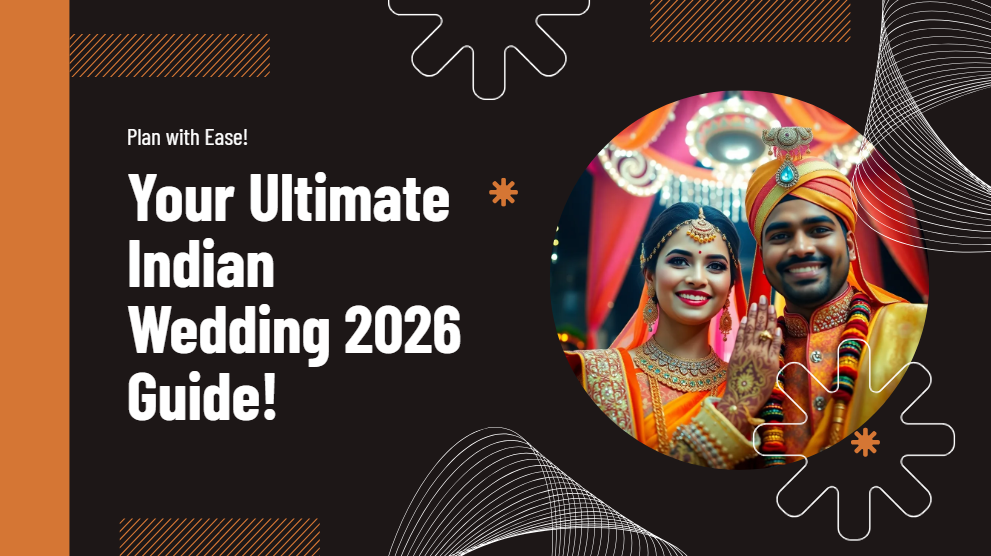
Planning an Indian wedding is one of the most rewarding yet complex experiences a couple can undertake. With multiple ceremonies spanning several days, hundreds of guests, and deeply rooted cultural traditions, the process demands careful organization from start to finish. Whether you are arranging a grand celebration or an intimate gathering, this guide walks you through every stage of planning your dream Indian wedding in 2025.
Table of Contents
- Understanding the Indian Wedding Structure
- Setting Your Wedding Budget
- Creating a Realistic Timeline
- Choosing the Right Venue
- Managing Your Guest List
- Selecting Vendors and Services
- Planning Pre-Wedding Ceremonies
- Wedding Day Logistics
- Expert Tips from Wedding Planners
- Common Mistakes to Avoid
- FAQ
Understanding the Indian Wedding Structure
Indian weddings are not single-day events. They typically span three to five days and include a series of pre-wedding, wedding day, and post-wedding rituals. Each ceremony carries cultural and spiritual significance that varies by region, religion, and family tradition.
A typical North Indian Hindu wedding includes the Roka, Engagement, Mehendi, Sangeet, Haldi, Wedding Ceremony, and Reception. South Indian weddings may include Nichayathartham, Muhurtham, and Sadhi. Understanding which ceremonies your family expects is the first step toward building a realistic plan.
Regional Variations
India's diversity means that no two weddings look alike. A Punjabi wedding features vibrant Bhangra performances and elaborate Anand Karaj ceremonies. A Bengali wedding centers around the Shubho Drishti and Saat Paak rituals. Tamil weddings follow the Kasi Yatra and Mangalya Dharanam traditions. Research your specific cultural requirements early so you can allocate time and budget accordingly.
Setting Your Wedding Budget
Budget is the single most important decision you will make. It determines your venue options, guest count, decor quality, and vendor choices. Start by having an honest conversation with both families about contributions and expectations.
| Category | Percentage of Budget | Example (20 Lakh Budget) |
|---|---|---|
| Venue and Catering | 35-40% | 7-8 Lakhs |
| Decor and Flowers | 15-20% | 3-4 Lakhs |
| Photography and Video | 10-15% | 2-3 Lakhs |
| Bridal Attire and Jewelry | 10-15% | 2-3 Lakhs |
| Invitations and Stationery | 3-5% | 60K-1 Lakh |
| Entertainment and Music | 5-8% | 1-1.5 Lakhs |
| Miscellaneous and Buffer | 10% | 2 Lakhs |
Keep a contingency fund of at least ten percent. Unexpected costs always arise, from last-minute guest additions to weather-related venue changes.
Creating a Realistic Timeline
Most Indian weddings require 8 to 12 months of planning. If you have a shorter window, prioritize venue booking, vendor contracts, and invitation distribution first.
12 Months Before
- Finalize the wedding date with a pandit or family astrologer
- Set your total budget and contribution breakdown
- Begin venue research and shortlisting
- Start building your guest list
6 to 8 Months Before
- Book your venue and caterer
- Hire a photographer and videographer
- Select your wedding planner or coordinator
- Begin shopping for bridal and groom attire
3 to 4 Months Before
- Send out Save the Date announcements
- Finalize your decor theme and floral arrangements
- Book entertainment, DJ, or live band
- Plan honeymoon travel
1 Month Before
- Send formal wedding invitations
- Confirm all vendor bookings and timelines
- Arrange accommodation for outstation guests
- Complete final fittings for wedding attire
Choosing the Right Venue
Your venue sets the tone for the entire celebration. Consider capacity, location accessibility, accommodation availability, and weather conditions for outdoor spaces. Popular venue types include five-star hotel banquet halls, heritage properties, farmhouses, destination resorts, and community halls.
When evaluating venues, ask about in-house catering requirements, decor restrictions, noise curfews, parking capacity, and backup plans for outdoor events. Visit at least three to five venues before making your final choice.
Managing Your Guest List
Indian weddings are known for large guest lists, often ranging from 200 to over 1000 attendees. Managing this effectively requires a systematic approach. Start by categorizing guests into tiers: immediate family, extended family, close friends, family friends, and professional contacts.
Use a digital RSVP management tool to track confirmations, dietary preferences, and plus-ones. This eliminates the chaos of phone calls and WhatsApp messages scattered across multiple family members. Platforms like Jobitra offer integrated RSVP tracking that syncs with your digital invitations, giving you real-time attendance numbers for caterer headcounts.
Selecting Vendors and Services
Quality vendors make or break your wedding experience. For each vendor category, get at least three quotes, check portfolios of recent work, read reviews from real couples, and verify availability for your specific dates. Always sign detailed contracts that specify deliverables, timelines, cancellation policies, and payment schedules.
Key Vendors to Book Early
- Venue: Book 8-12 months ahead for peak wedding season dates
- Photographer: Top professionals get booked 6-10 months in advance
- Caterer: Especially important if your venue allows outside catering
- Makeup Artist: Bridal MUA slots fill quickly during November-February
- DJ or Band: Weekend dates during wedding season are highly competitive
Planning Pre-Wedding Ceremonies
Pre-wedding events deserve the same attention as the main ceremony. The Mehendi night typically features intricate henna designs, music, and light refreshments. The Sangeet is your opportunity for choreographed family performances and bonding. The Haldi ceremony involves turmeric paste application and is usually held at home.
Plan each event with its own mini-budget, decor theme, and timeline. Assign a family member or coordinator to manage each function independently so nothing falls through the cracks on the main wedding day.
Wedding Day Logistics
Create a detailed minute-by-minute schedule for the wedding day. Share this timeline with your photographer, decorator, caterer, and family coordinators. Include buffer time between events because Indian weddings rarely start on schedule.
Pro Tip: Assign a dedicated family member as the single point of contact for all vendors on the wedding day. This prevents confusion from multiple people giving conflicting instructions.
Expert Tips from Wedding Planners
- Book your venue for the day before the wedding too, so decorators can set up overnight without rushing
- Create a shared digital folder with all vendor contracts, contact numbers, and payment receipts
- Send digital invitations through platforms like Jobitra to get instant RSVP tracking and reduce printing costs
- Keep a wedding emergency kit with safety pins, stain remover, pain relievers, and phone chargers
- Brief your photographer on must-have family group shots before the ceremony begins
Common Mistakes to Avoid
- Not having a written contract: Verbal agreements lead to disputes about deliverables and pricing
- Ignoring weather contingencies: Always have an indoor backup for outdoor ceremonies
- Underestimating catering quantities: Order 10-15 percent extra to account for unexpected guests
- Skipping the wedding rehearsal: Even a brief walkthrough prevents confusion during the ceremony
- Leaving invitation distribution too late: Send invitations at least 3-4 weeks before the wedding date
Frequently Asked Questions
How far in advance should I start planning my Indian wedding?
Ideally 10 to 12 months before your intended date. If you are planning a destination wedding or peak-season date (November through February), start even earlier. At minimum, you need 4 to 6 months for a well-organized celebration.
What is the average cost of an Indian wedding in 2025?
Costs vary enormously based on location, guest count, and preferences. A mid-range wedding for 300 guests in a metro city typically runs between 15 to 30 lakhs. Luxury celebrations can exceed 1 crore easily.
How do I manage RSVPs for a large Indian wedding?
Use a digital RSVP platform that allows guests to confirm attendance via a link shared through WhatsApp or email. Jobitra offers wedding websites with built-in RSVP tracking that automatically updates your guest count in real time.
Should I hire a wedding planner?
If your budget allows, a professional planner saves significant stress, especially for weddings with over 200 guests or multiple venue events. They handle vendor coordination, timeline management, and troubleshooting so you can enjoy your celebration.
How can I reduce costs without compromising quality?
Choose off-peak dates (weekdays or non-season months), opt for digital invitations instead of printed cards, limit your guest list to people who genuinely matter, negotiate package deals with venues that include catering, and prioritize spending on elements guests notice most like food and entertainment.
Conclusion
Planning an Indian wedding is a marathon, not a sprint. By starting early, setting a realistic budget, staying organized with timelines and vendor contracts, and using modern tools to manage guest communication, you can create a celebration that honours tradition while reflecting your personal style. The key is breaking down this massive task into manageable pieces and tackling them systematically.
Ready to simplify your wedding planning? Jobitra helps you create stunning digital invitations, manage RSVPs, build a wedding website, and keep your guest list organized, all from one platform. Start planning your dream wedding today at jobitra.com.